What is a Landing Page Conversion? A Deep Dive for 2026
Understand 'what is a landing page conversion' and how to optimize it for maximum impact. Learn key strategies and best practices for 2026 to boost your website's performance


Mục lục
In the dynamic world of digital marketing, understanding key metrics is crucial for success. One such metric that often dictates the effectiveness of online campaigns is the conversion rate, specifically on landing pages. But what exactly is a landing page conversion, and why is it so vital for businesses in 2026?
Defining a Landing Page Conversion
At its core, a landing page is a standalone web page, distinct from a typical homepage, built with a single, focused objective in mind. This objective is to drive a specific user action. When a visitor successfully completes that intended action, it is classified as a conversion. Therefore, what is a conversion focused landing page? It's a page meticulously designed to guide visitors towards achieving that one primary goal, minimizing distractions and maximizing relevance.
The concept extends beyond just sales. A conversion can be any valuable action a user takes, such as:
- Submitting a contact form
- Signing up for a newsletter
- Downloading an e-book or whitepaper
- Requesting a demo or quote
- Making a purchase
- Registering for a webinar
Understanding Conversion Rate on Landing Pages
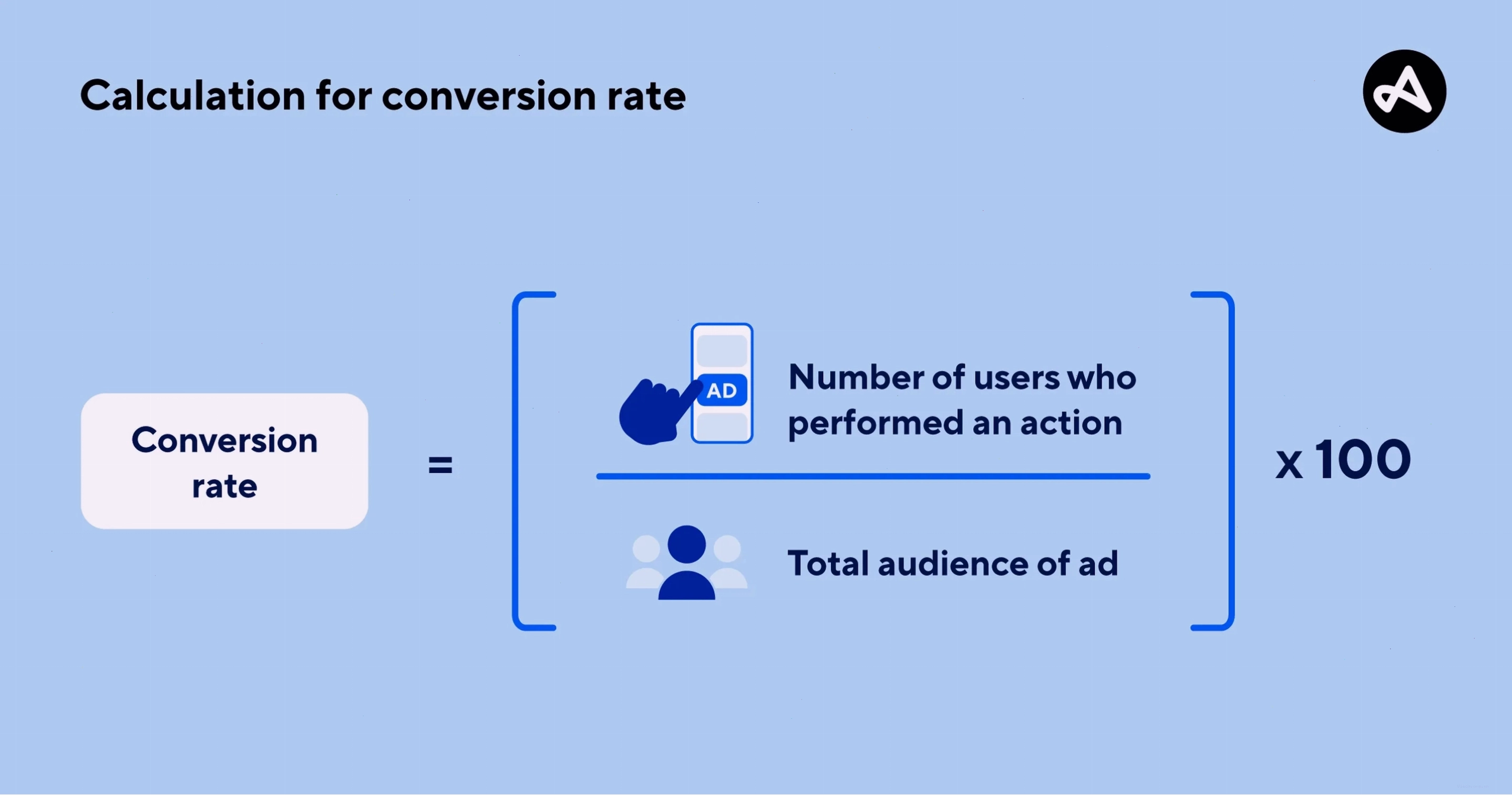
While defining a conversion is straightforward, measuring its success hinges on the conversion rate. The what is a landing page conversion rate? It's the percentage of visitors to your landing page who complete the desired conversion action. For instance, if 1,000 people visit your landing page and 100 of them complete the form submission, your landing page conversion rate is 10% (100 / 1000 * 100%).
According to Unbounce's 2024 Conversion Benchmark Report, which analyzed over 57 million conversions across 41,000+ landing pages, the cross-industry median landing page conversion rate is 6.6%. However, this can vary significantly by industry, with medians ranging from 3.8% for SaaS to 12.3% in top-performing sectors. Understanding your specific industry's benchmarks is key to assessing performance.
Why Landing Page Conversions Matter
Optimizing for conversions on your landing pages isn't just about vanity metrics; it directly impacts your business's bottom line. A high-converting landing page means your marketing efforts are efficient and effective in turning visitors into leads or customers.
Here's why they are crucial:
- Boosted Revenue: Directly drives sales and lead generation without necessarily increasing ad spend.
- Lower Customer Acquisition Cost (CAC): By converting more visitors from existing traffic, you reduce the cost to acquire each new customer.
- Improved Marketing ROI: Ensures your marketing campaigns are not just generating traffic, but tangible business results.
- Enhanced Lead Quality: A focused landing page attracts visitors genuinely interested in your offer, leading to higher quality leads.
- Data-Driven Decision Making: Provides clear data to test and refine your marketing strategies.
Key Traits of High-Converting Landing Pages
What separates an average landing page from one that excels in conversions? High-converting examples share several common traits:
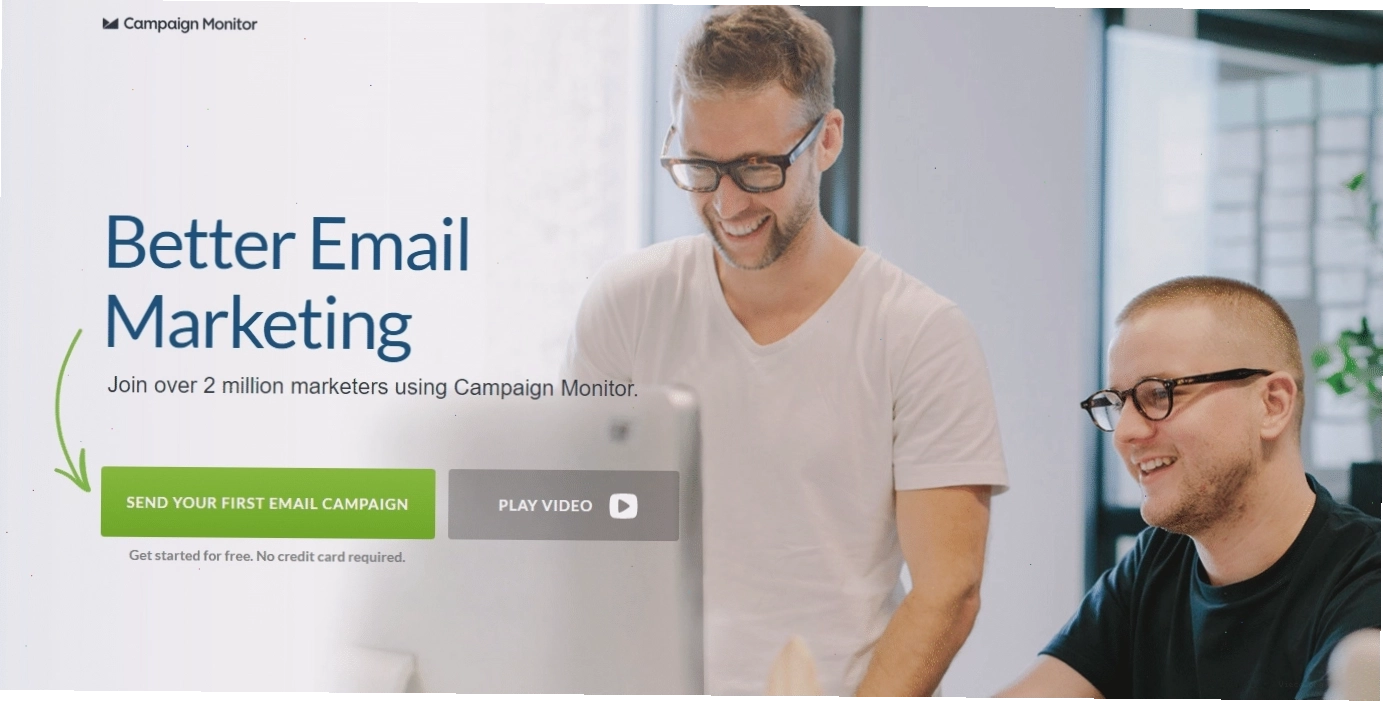
Clear and Specific Headline
The headline must immediately grab attention and clearly state the value proposition or offer. It should resonate with the visitor's needs and the message they saw in the ad or link that brought them there.
Single Primary Call-to-Action (CTA)
A high-converting landing page has one, and only one, primary goal. The CTA button should be prominent, action-oriented, and clearly communicate what happens next.
Immediate Visual Hierarchy
Visitors should be able to scan the page quickly and understand its purpose. Key information and the CTA should be easily identifiable.
Trust Signals
Building credibility is essential. This includes testimonials, customer logos, security badges, case studies, or data points that prove your credibility and the value of your offer.
Frictionless Forms
Forms are often the conversion point. They should be as short as possible, asking only for essential information. Auto-fill options and clear error messaging reduce friction.
Optimizing Your Landing Page for Conversions
Achieving a strong average conversion rate landing page performance requires ongoing optimization. It's not a set-it-and-forget-it process.
A/B Testing
Continuously test different elements of your landing page, such as headlines, CTAs, copy, images, and form fields. Compare the performance of variations to identify what resonates best with your audience.
Compelling Copywriting
Use language that speaks directly to your target audience's pain points and desires. Focus on benefits rather than just features. Ensure the tone aligns with your brand voice.
High-Quality Visuals
Relevant and high-quality images or videos can significantly enhance engagement and understanding. Ensure they support the message of the page.
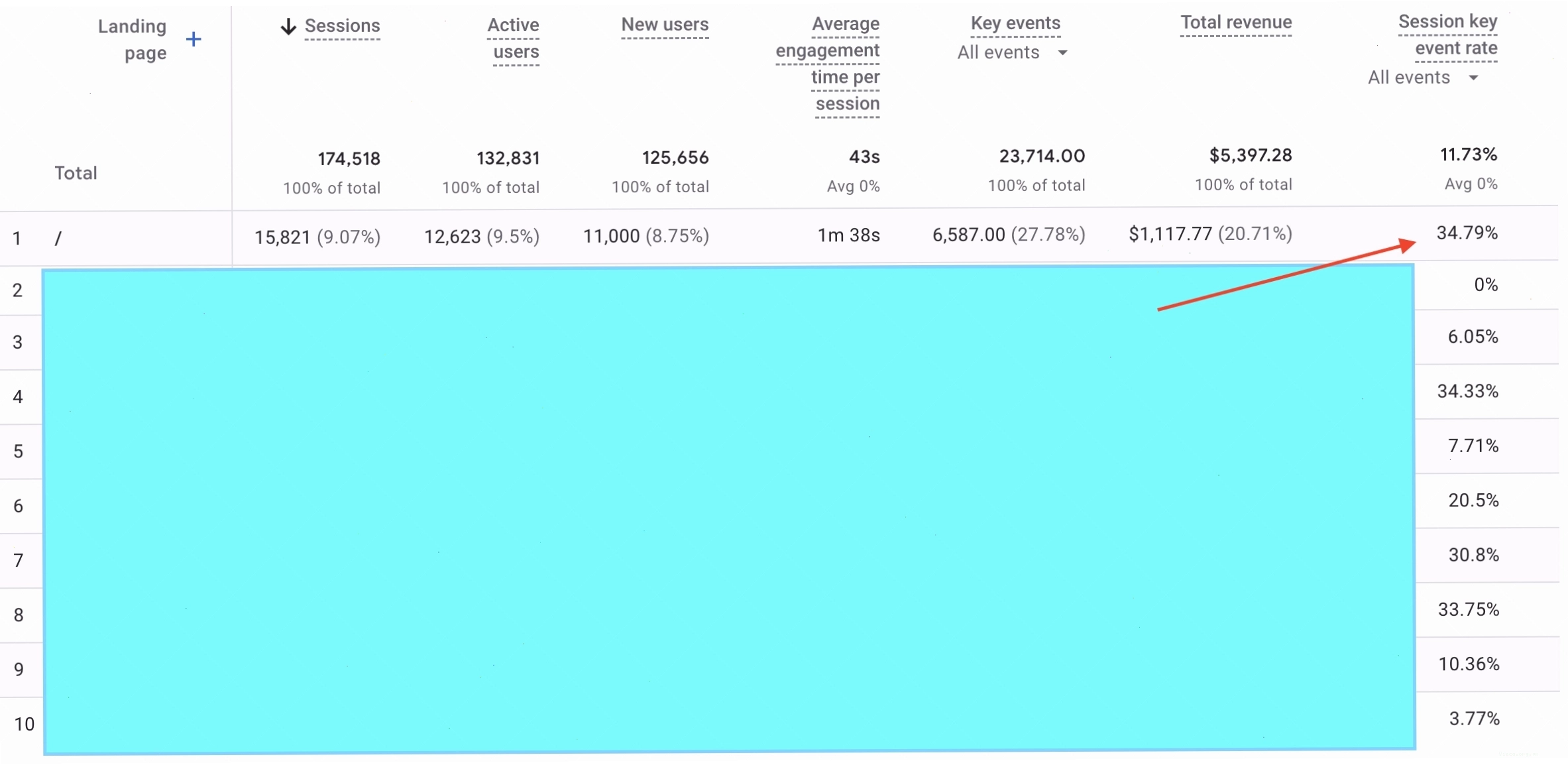
Mobile Optimization
With the majority of internet traffic coming from mobile devices, ensuring your landing page is fully responsive and loads quickly on all screen sizes is non-negotiable.
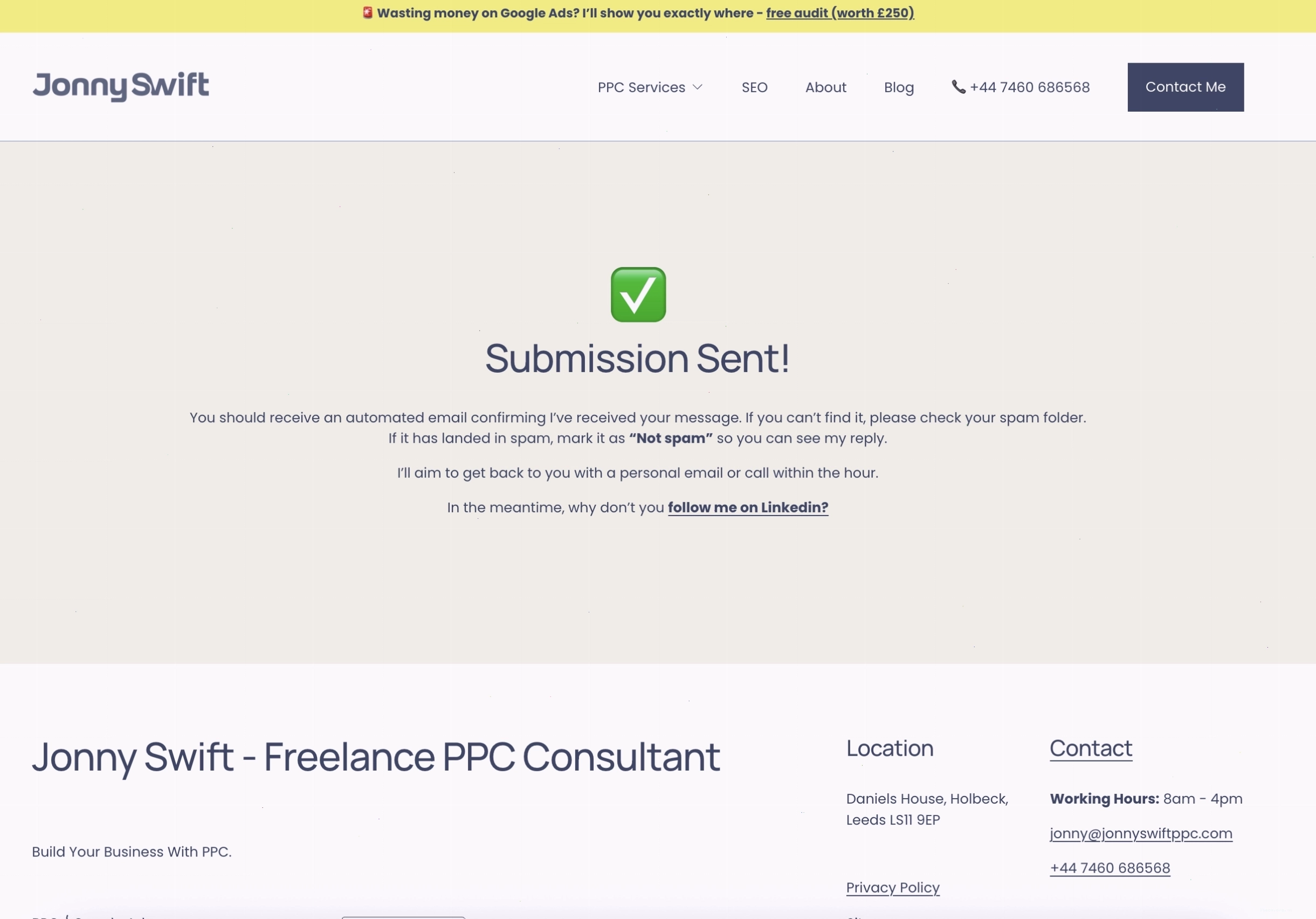
Clear Thank You Page
After a successful conversion, redirect users to a thank you page. This page can confirm their action, provide next steps, or even offer additional resources, reinforcing their decision.
Examples of High-Converting Landing Page Designs
Examining successful landing page templates and examples can provide invaluable inspiration:
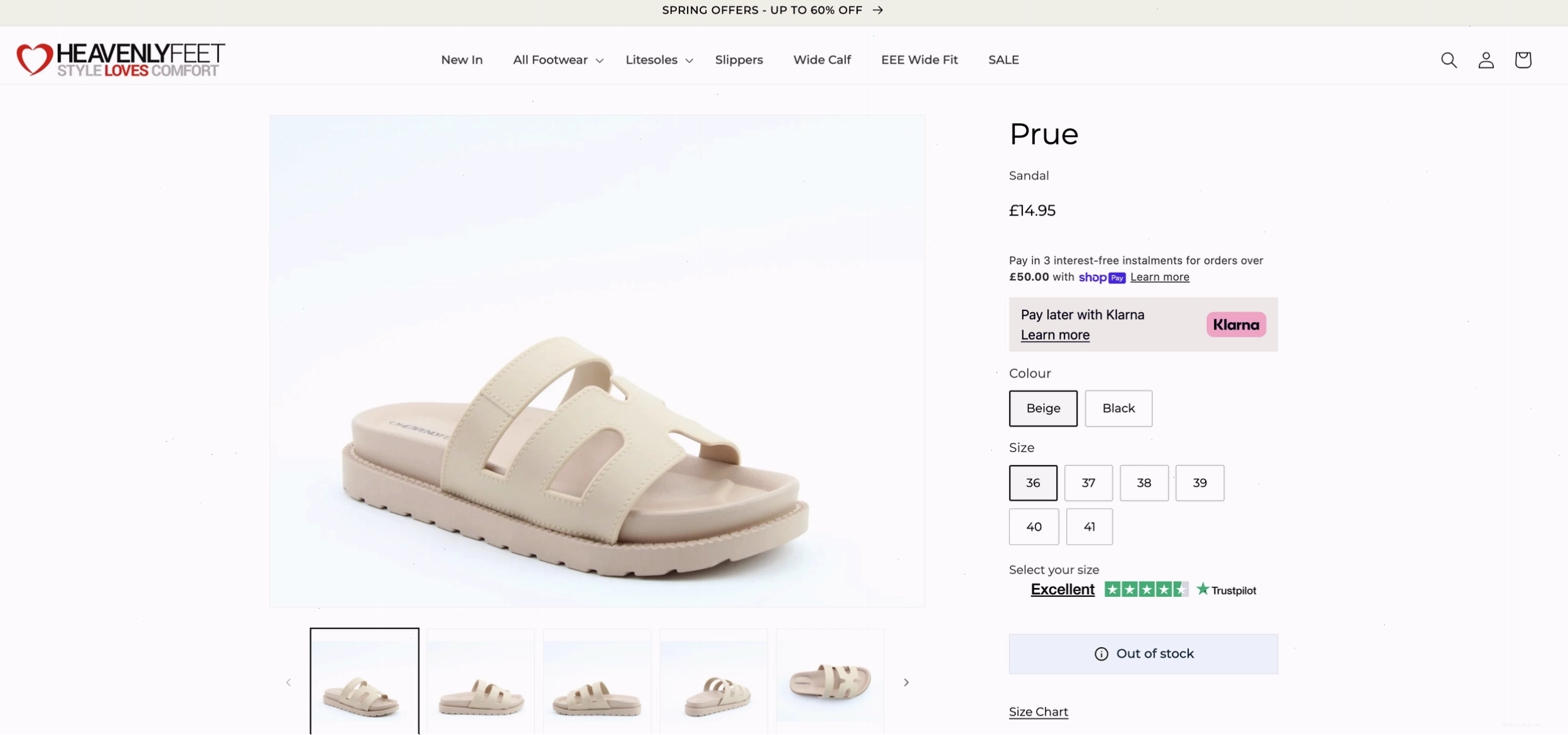
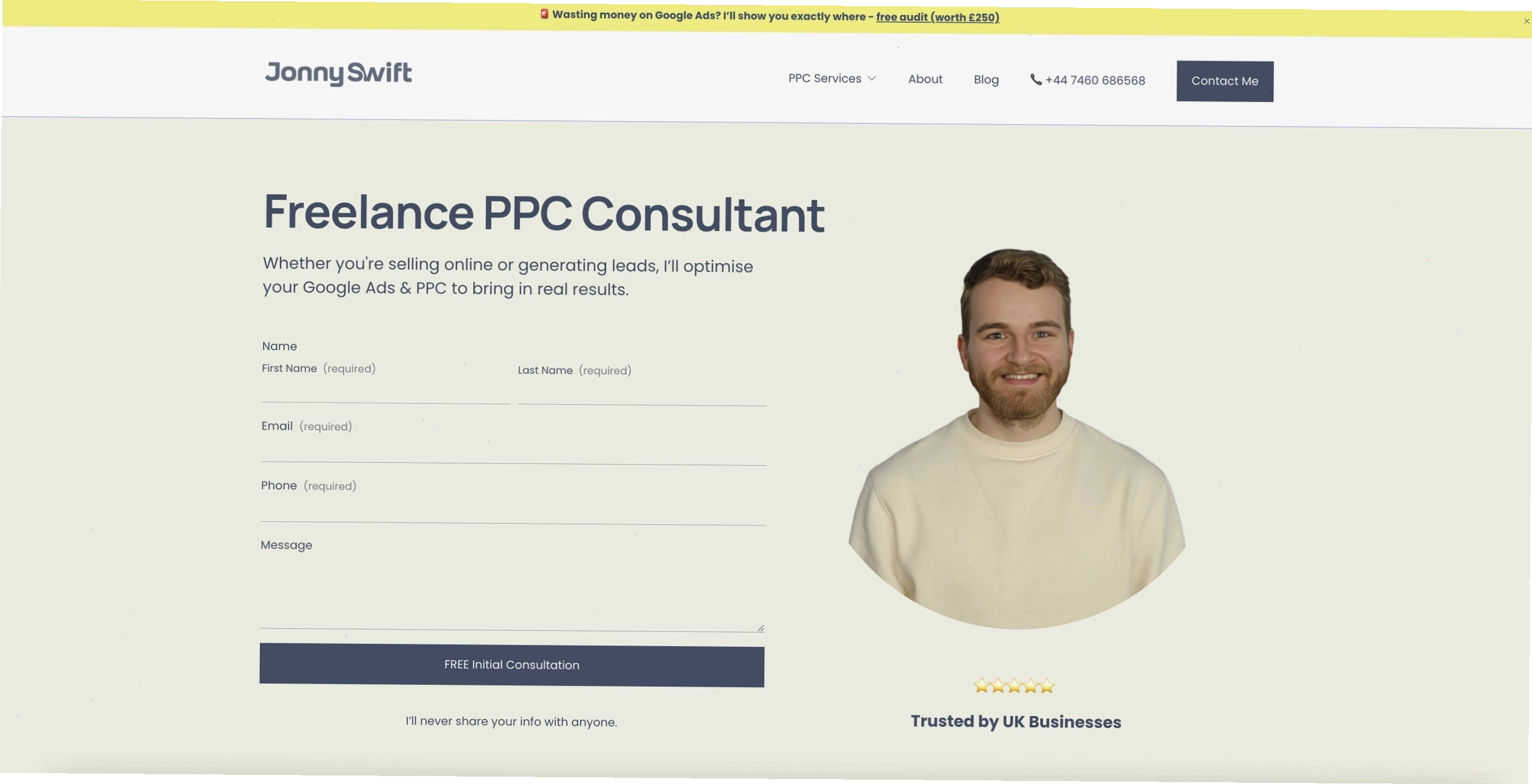
A well-structured landing page often features:
- Minimal navigation links to keep users focused.
- Benefit-driven headlines and subheadings.
- Clear, concise copy that addresses user needs.
- Visually appealing images or videos relevant to the offer.
- A prominent and compelling Call to Action (CTA).
- Trust elements like testimonials or partner logos.
- A streamlined form designed for quick completion.
Conclusion: Mastering the Landing Page Conversion
In essence, understanding what is a landing page conversion and how to effectively drive them is fundamental to digital marketing success in 2026. By focusing on clear objectives, compelling design, persuasive copy, and continuous optimization through A/B testing, businesses can significantly improve their conversion rates. Remember, a landing page is your digital storefront's most targeted salesperson; ensure it's equipped to perform at its best. Explore these insights and start refining your landing pages today to unlock their full potential and achieve your marketing goals


Bình luận